 Gadgets
Aura Aspen Bilderrahmen im Test: tolles Bild, aber Cloud-Zwang
Test of the Aura Aspen digital picture frame with an 11.8-inch display (1600 x 1200 pixels, about 169 ppi) and a matte surface. Measured power draw with the display running was 6.8 watts. Free, unlimited cloud storage without a subscription, easy photo transfer and the option for family to add pictures remotely stand out. Criticisms are the complete dependence on the Aura online service, no USB or SD port, only a single daily operating window and no wall mounting. The recommended retail price is 249 euros.
 Gadgets
RingConn Gen 2 und Gen 3 im Test: Wie gut sind die smarten Gesundheitsringe?
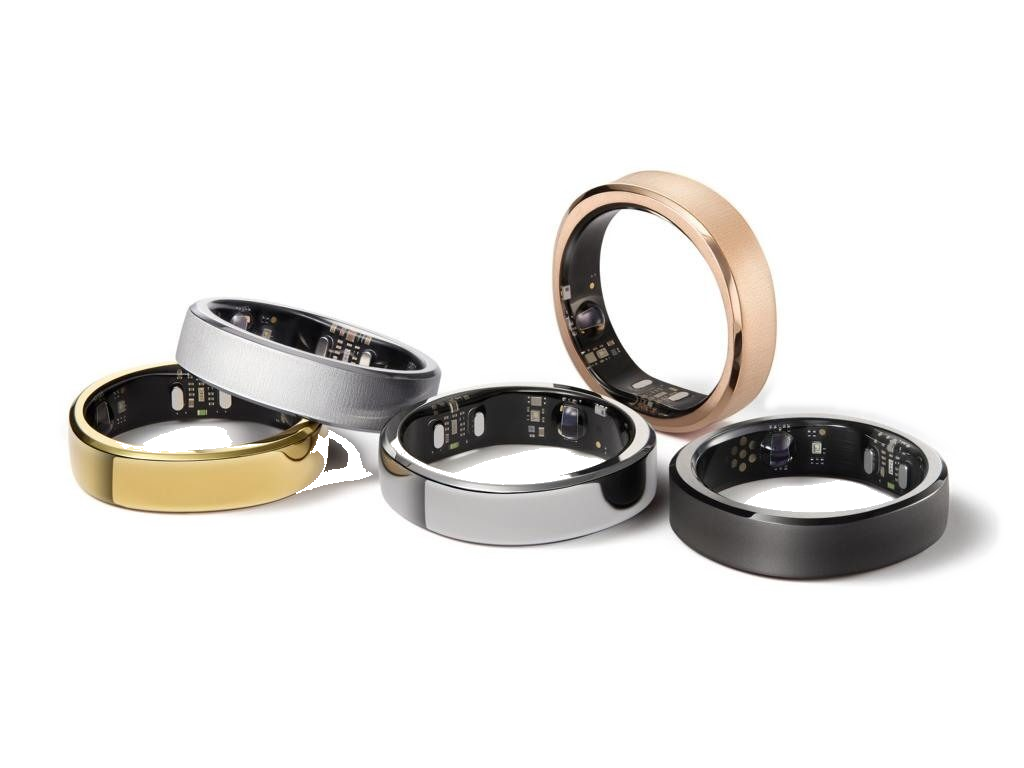
RingConn Gen 2 and Gen 3 smart rings in a side-by-side test, both without a compulsory subscription. The Gen 2 is 2.0 mm thick and weighs 2 to 3 grams, whilst the Gen 3 is 2.3 mm thick and weighs 2.5 to 3.5 grams. The Gen 3 also features a vibration motor and blood pressure tracking. Battery life is 10 to 12 days for the Gen 2 and 11 to 14 days (without vibration) for the Gen 3. Points of criticism include the lack of a display, the limited workout features, the absence of medical-grade blood pressure measurement, and the fact that the app only supports one active ring at a time.
 Gadgets
iFLYTEK AINOTE 2 im Test: Kann das KI-Tablet meinen Notizblock ersetzen?
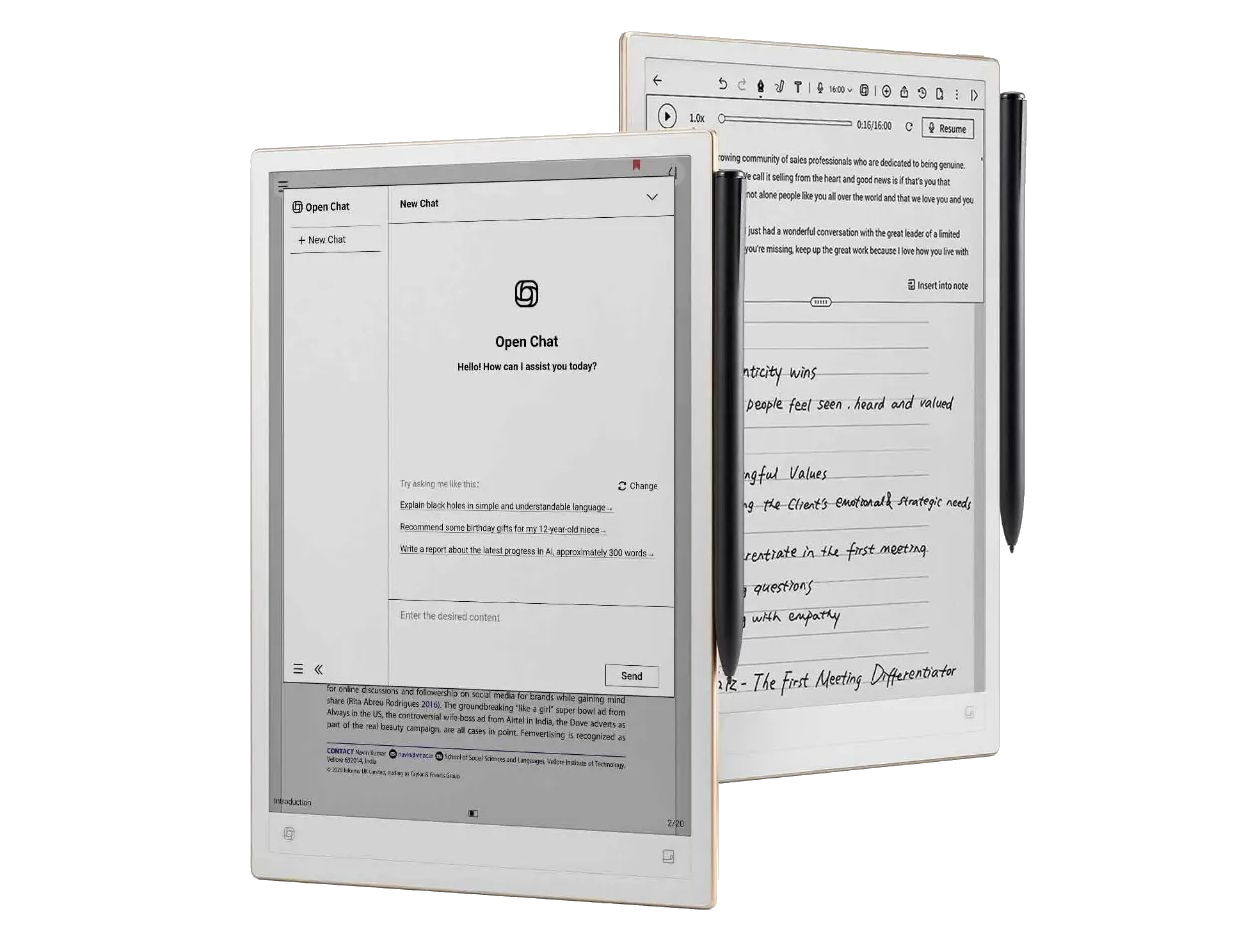
Test of the iFLYTEK AINOTE 2 E-Ink tablet with a 10.65-inch display (1920 x 2560 pixels, 300 ppi) as a notepad replacement. It is 4.2 mm thin and weighs 309 grams with the pen (manufacturer claim: about 295 grams). The paper-like writing feel, the Play Store and basic AI features without a subscription stand out. Criticisms are the price of 669 euros, the missing backlight, paid extra features (Pro from 5.99 euros per month) and cloud processing.
 Smart home
Sonoff TRVZB im Test: Leises Zigbee-Thermostat für rund 20€
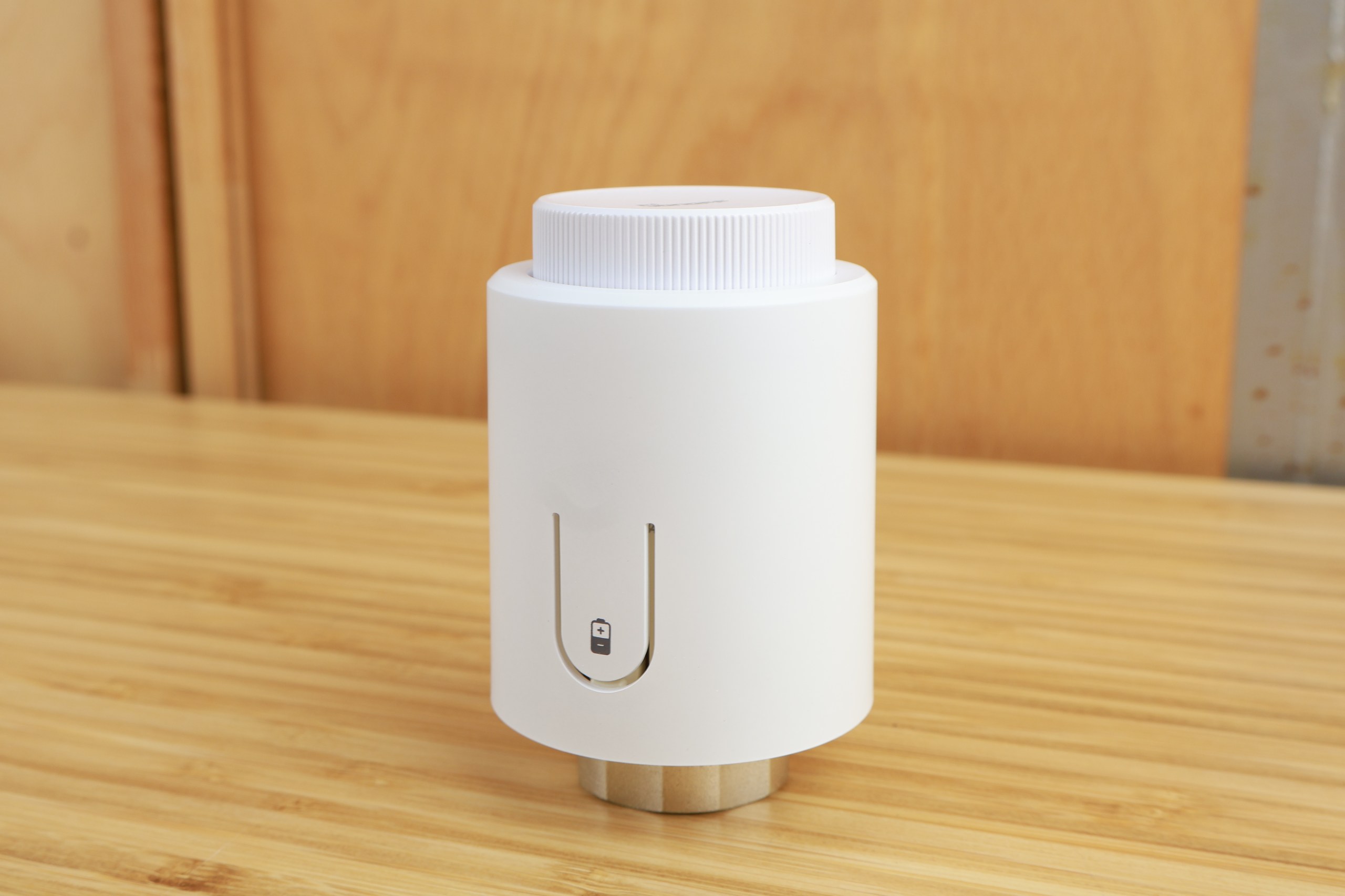
Test of the Sonoff TRVZB Zigbee radiator thermostat for around 20 euros, which requires a Zigbee hub. Room temperature deviated about 1 °C from a separate thermometer, and open window detection reacts to a 1.5 °C drop within 4.5 minutes. The motor is almost inaudible and the display rotates by 180 degrees. Criticisms are the required Zigbee hub, batteries not included and display rotation only via a button under the cover.
 Gadgets
UREVO CyberMega im Test: smartes Laufband für zu Hause
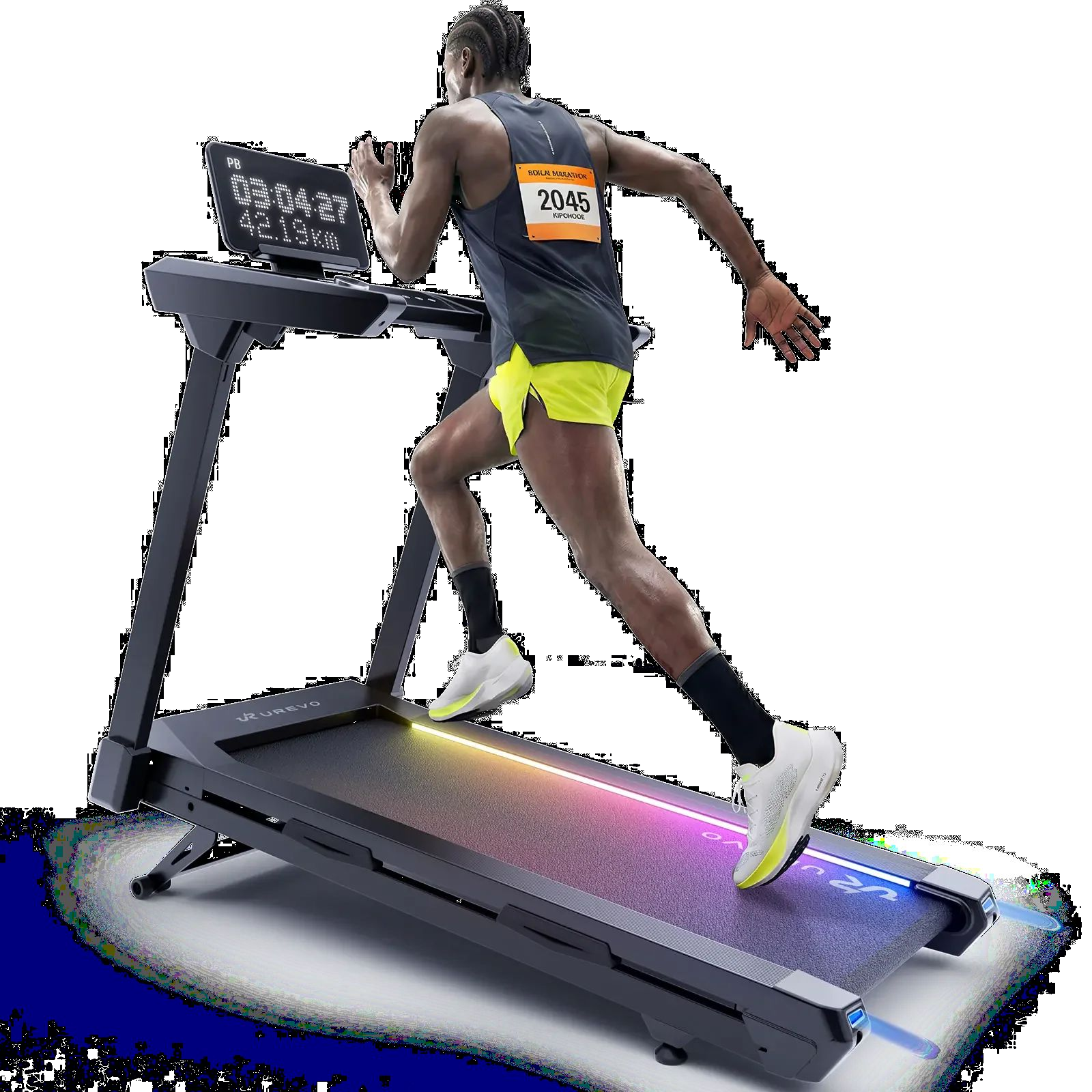
Test of the smart UREVO CyberMega treadmill with 1 to 20 km/h, automatic incline up to 12 percent and a 48 x 130 cm running surface. It arrives fully pre-assembled, stands stable and cushions comfortably without a spring effect. Criticisms are its size and 63.5 kg weight, the coarse matrix display, the crooked display mount and noise above 60 dB(A) at high speed. The price is around 1,000 euros.
 Projector
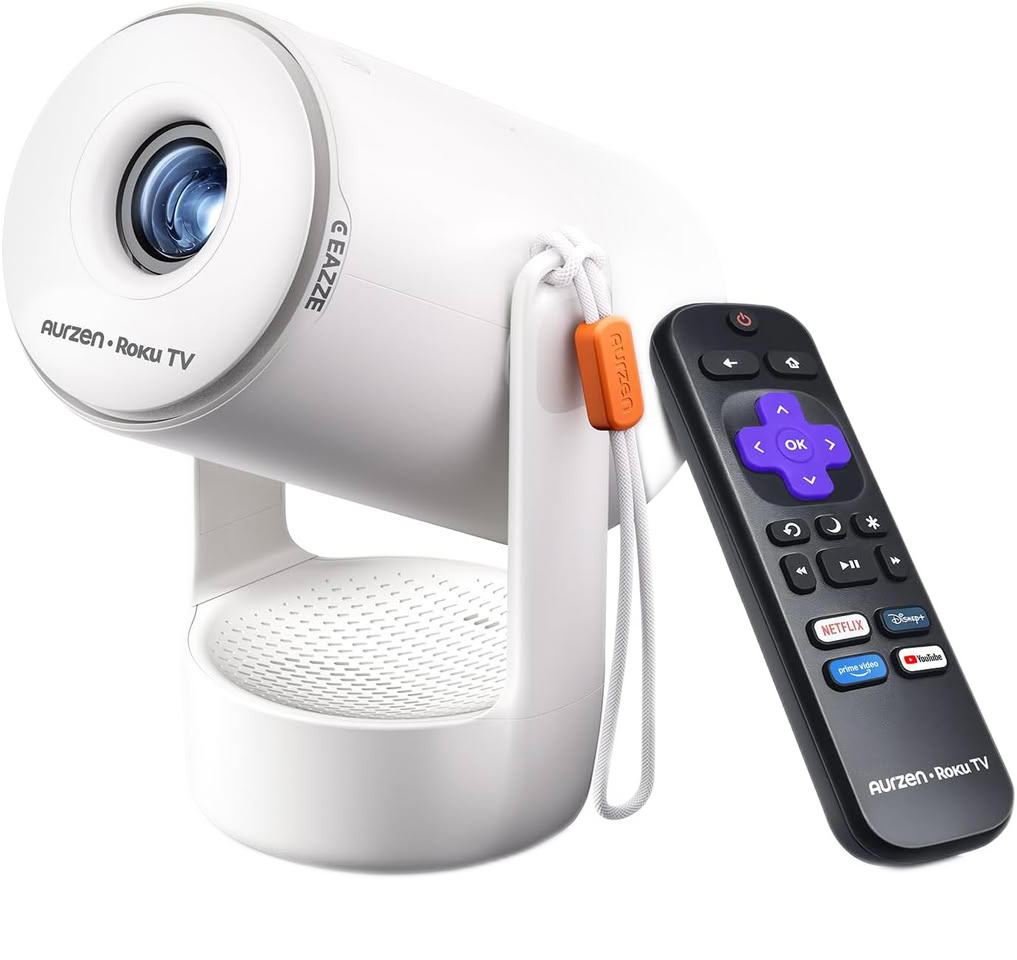
Aurzen EAZZE E1 im Test: kompakter Mini-Beamer mit Netflix
Test of the Aurzen EAZZE E1 mini projector with preinstalled Netflix and Amazon Prime Video. Native resolution is 720p, and measurements show about 140 lumens (manufacturer claim: 160), 50.3 dB(A) fan noise and 44 watts power draw. The 180 degree swivel stand and USB playback stand out, while low brightness, manual focus and the limited app selection count against it. The price is 150 euros.
 Projector
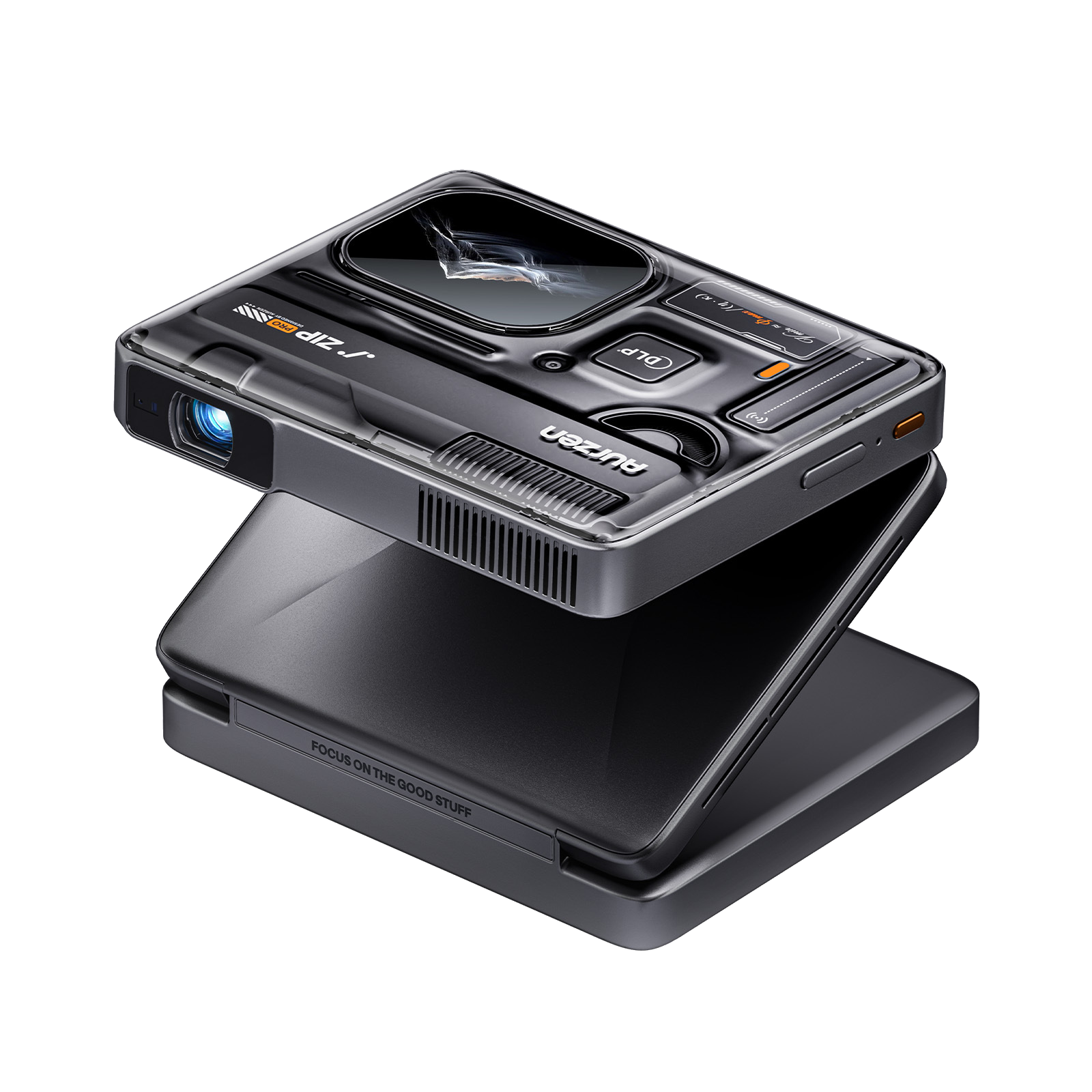
Aurzen ZIP PRO im Test: Full-HD-Beamer für die Jackentasche
Test of the foldable Full HD projector Aurzen ZIP PRO with built-in 38 Wh battery and wireless transmission from Android and Windows. Measured values are about 217 lumens in normal mode (manufacturer claim: 200 ANSI lumens), 33.8 dB(A) fan noise, 31 °C housing temperature and 35.7 watts power draw. Criticisms are the missing HDMI input, a washed-out image in daylight and the small on-screen keyboard.
 Gadgets
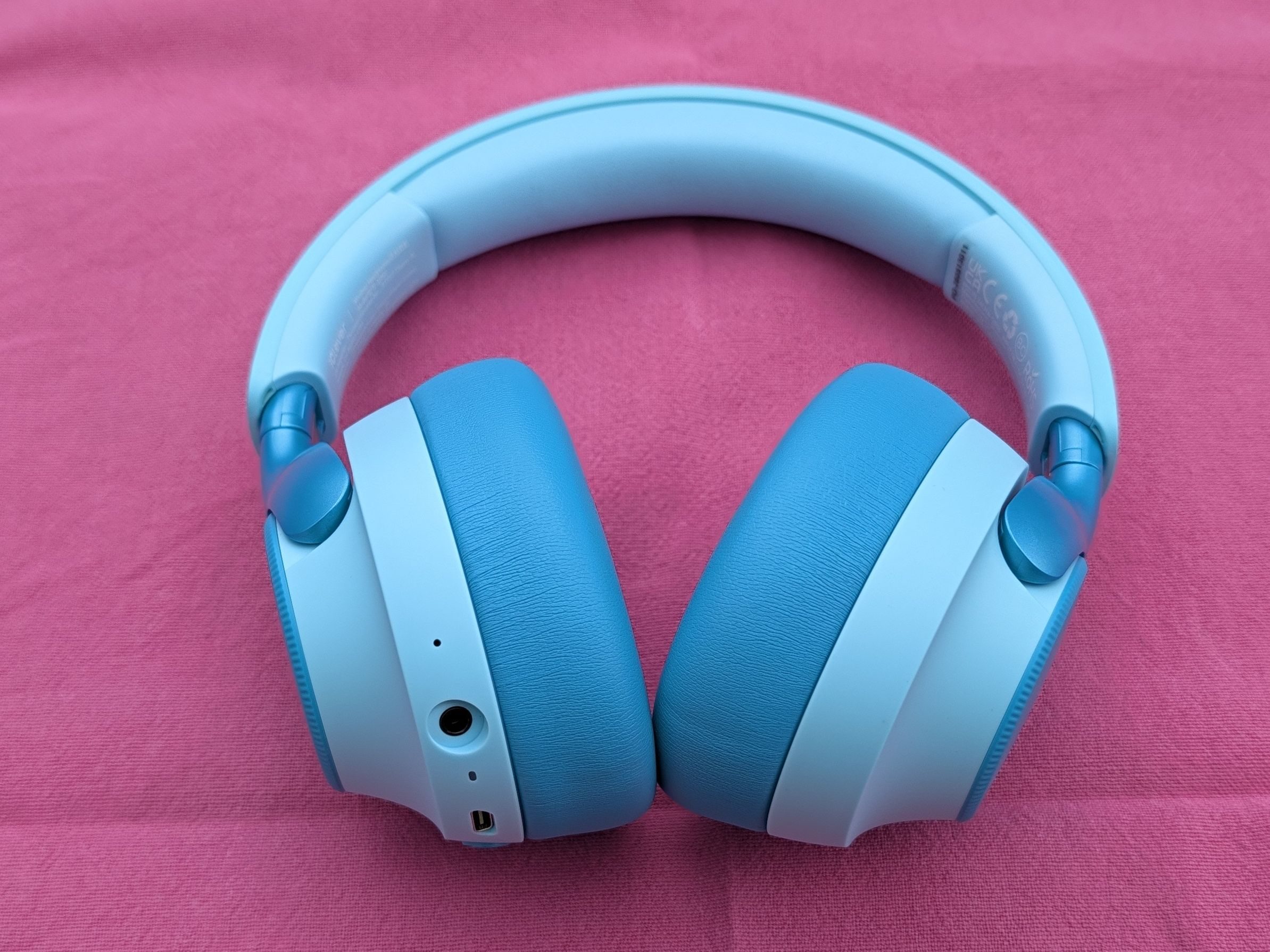
iClever Q950 im Test: Kinderkopfhörer mit ANC und 80-dBA-Limit
Test of the iClever Q950 kids headphones with volume limited to 80 dBA, hybrid ANC, transparency mode and wear detection, done together with a five-year-old co-tester. The headphones weigh 250 grams, stay comfortable after 30 minutes and have a replaceable battery rated by the manufacturer for up to 60 hours. Criticisms are ANC that does not block all ambient noise and a price above simple kids headphones.
 Gadgets
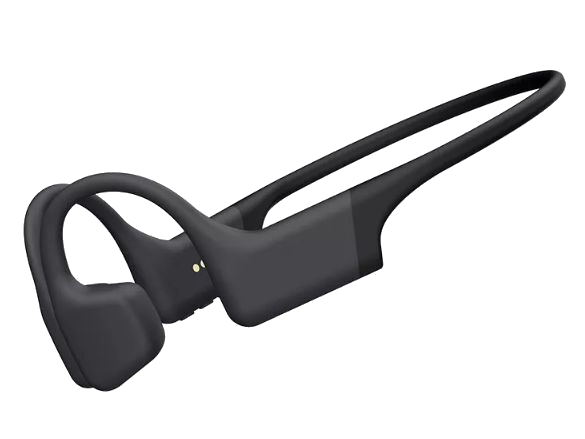
IXMOO G1 und G8 im Test: Knochenschall-Kopfhörer für Sport, Schwimmen und Alltag
Test of the IXMOO G1 and G8 bone conduction headphones with IP68, 32 GB internal storage and MP3 mode, including a bike ride with Komoot navigation. Speech sounds clear, wearing comfort is good and the buttons can be used with wet hands. Criticisms are the weak bass, feedback when using the hearing assistance and the proprietary magnetic charging cable.
 Gadgets
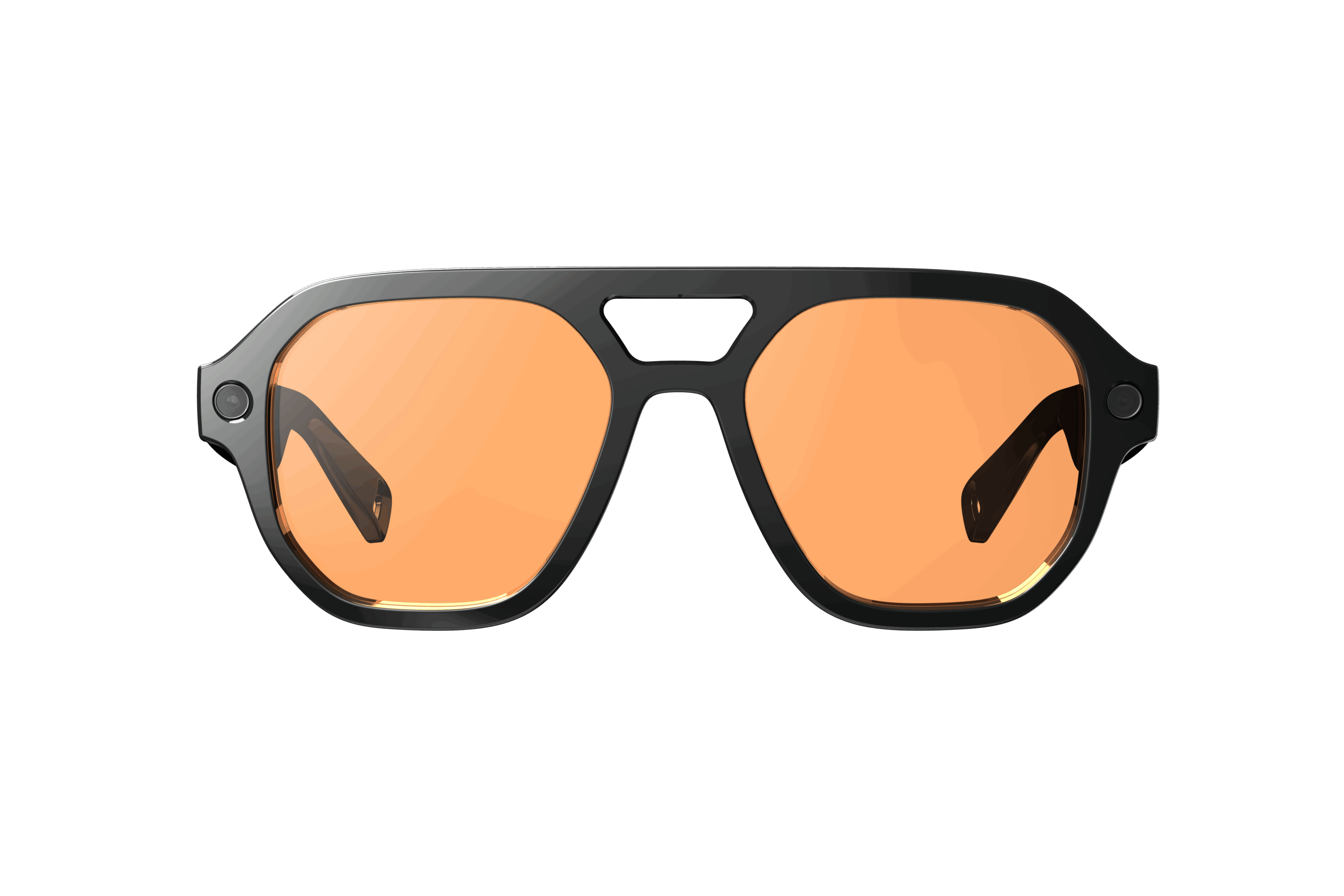
Smart Glasses: L'Atitude 52°N BERLIN im Praxistest
Practical test of the L'Atitude 52°N Berlin smart glasses with a 12-megapixel camera (Sony IMX681, 107° field of view), open-ear speakers and 32 GB of storage. The 200 mAh battery lasts up to 6 hours according to the manufacturer, and the test unit with prescription lenses weighs 70 grams. Criticisms are video recording that produces striped images with a Google Pixel, average image quality in low light and a touchpad that reacts to accidental touches.
 3D printing
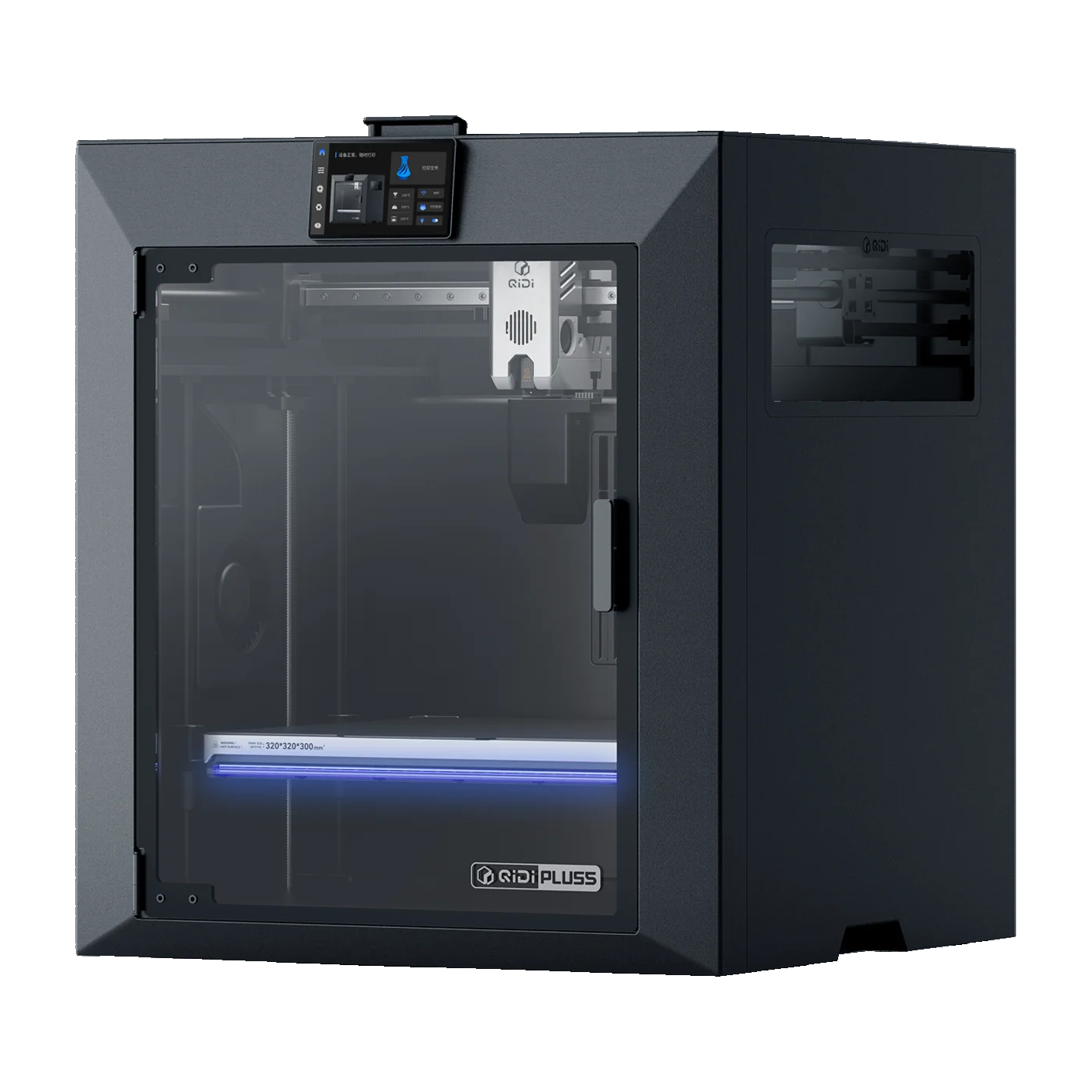
QIDI Plus 5 3D-Drucker im ausführlichen Test
Long-term test of the enclosed CoreXY 3D printer QIDI Plus 5 over 180 print hours and 6 kilograms of filament. The review measures heat bed temperature distribution, power draw and noise, and records zero print failures caused by the machine itself. Criticism centers on the small 4-inch display and the high power draw during heat-up.
 Gadgets
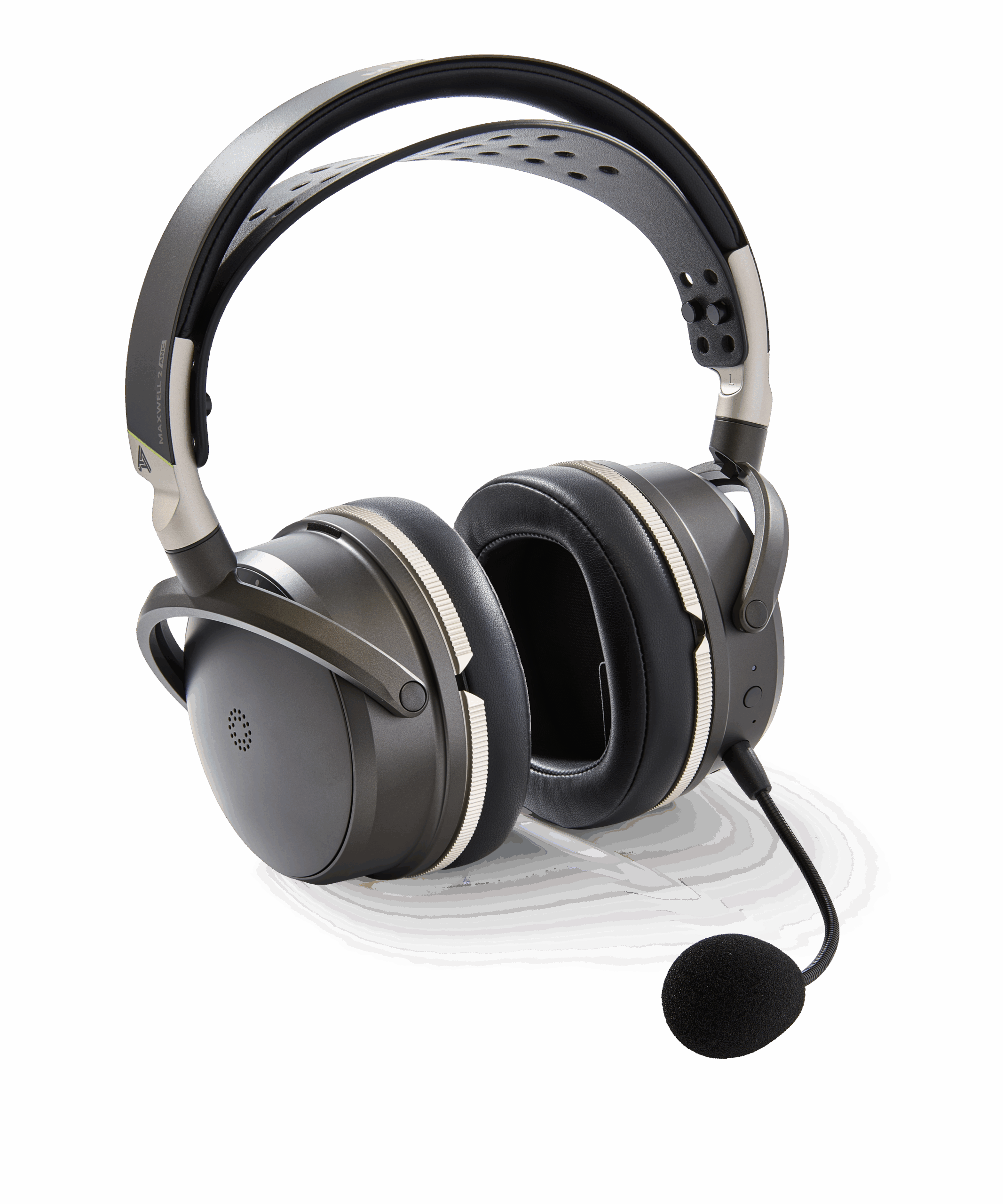
Audeze Maxwell 2 ANC Kopfhörer im Test
Test of the Audeze Maxwell 2, a premium gaming headset with 90mm planar magnetic drivers and adaptive hybrid ANC. The review focuses on sound resolution and wearing comfort despite a hefty 588 gram weight, plus battery life of up to 35 hours with ANC on. Downsides are a faint noise floor with ANC active and the steep price of 446 to 500 euros.
 3D printing
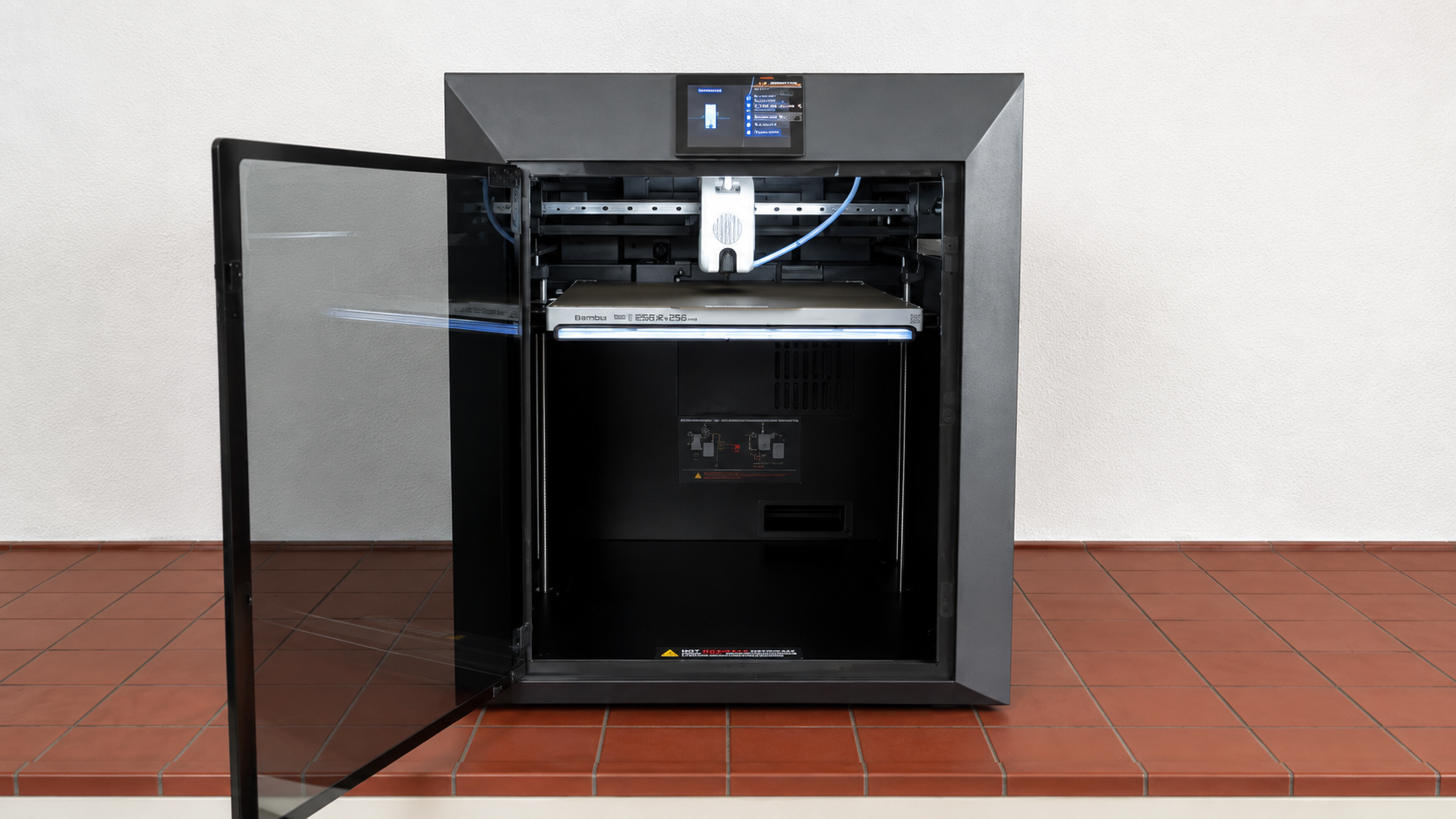
QIDI Plus 5 3D-Drucker startet in den Verkauf
News on the market launch of the QIDI Plus 5 on August 5, 2026, with tiered presale prices for existing and new customers ranging from 669 to 899 euros. Build volume grows 18 percent over the predecessor, and chamber heater output jumps from 400 to 550 watts. The full hands-on review is delayed because the test unit sat in German customs for three weeks.
 3D printing
Elegoo Jupiter 2 Resin-3D-Drucker im Test
Test of the Elegoo Jupiter 2, a 16K large-format resin printer, focused on print quality and everyday usability. The exposure system delivers fine, even detail across the whole build plate, though the side-opening doors demand considerably more floor space. Criticism targets the hard-to-reach resin tank at the back and software that feels less polished than competing products.
 3D printing
Elegoo Filamenttrockner H1HT im Praxistest
Hands-on test of the Elegoo H1HT active filament dry box, measuring temperature, power draw, noise and print quality before and after drying. A six-hour drying cycle eliminated visible stringing completely, though the measured peak temperature of 78 degrees fell short of the advertised 85 degrees. The humidity readout also showed a noticeable gap versus an external hygrometer.
 3D printing
Elegoo Centauri 2 (Combo) 3D-Drucker im Test
Test of the Elegoo Centauri 2, an open-frame FDM printer that shares most of its technology with the enclosed Centauri Carbon but skips the closed chamber. Despite the lower 299 euro price, mechanics and auto-calibration show no obvious cutbacks, and the first prints come out right without fine-tuning. Without sound insulation the fans are noticeably louder, and the printer is a poor fit for technical filaments like ABS or ASA.
 Power station
Aferiy Nomad 1800 Pro Test
Test of the Aferiy Nomad 1800 Pro portable power station, rated at 1,024 watt-hours of LiFePO4 capacity and 1,800 watts continuous output. Overall efficiency measured 72.1 percent under varying load and dropped to 63.6 percent at a full load of 1,805 watts. The review criticizes unusually high losses at maximum load and the lack of IP-rated ports.
 Laser engraving
xTool M2 im Test
Test of the xTool M2 Deluxe desktop laser engraver with its built-in CMYK color print module, put through wood, cardboard, faux leather, engraving and cutting jobs. Positioning accuracy of 0.1 millimeters and print resolution of up to 1,200 dpi impress, and the enclosed Class 1 housing allows operation without safety glasses. Criticism covers the missing honeycomb bed, wobbly magnetic holders on light materials, and the lack of a real emergency stop switch.
 Robotic mower
Airseekers Tron Mähroboter im Test
The Airseekers Tron robotic mower, which uses RTK navigation, was tested over several weeks on different lawns, with a focus on cutting quality, navigation and handling of terrain. Its FlowCut dual-blade system with airflow shreds clippings so finely that they largely disappear between the blades of grass. Weak points show up in edge cutting, in RTK navigation under trees and near buildings, and in the mower digging into soft ground while turning.
 3D printing
Elegoo CANVAS für den Centauri Carbon im Test
Test of the Elegoo CANVAS, a 45 euro upgrade kit that turns the Centauri Carbon into a four color printer with four independent motors. The conversion takes several hours and makes the printer noticeably taller, and the original glass lid no longer fits afterward. In testing, filament changes at 200 to 250 millimeters per second ran controlled and fast, though purge cycles waste a significant amount of material.
 Gadgets
KTC A25Q5 MegPad 25 im Test
Test of the KTC A25Q5 MegPad 25, a 24.5 inch battery-powered Android smart display sitting somewhere between a tablet, a smart TV and a monitor. Its Full HD resolution, a 2020-era Snapdragon 662 chip and a battery life of 5 to 7 hours shape everyday use. Criticism lands on the resolution looking soft at this screen size, the limited processor, and the absence of HDMI inputs and HDR support.
 Laser engraving
ACMER PM 30W MOPA Faserlaser im Test
MOPA fiber laser in the 30-watt class tested on stainless steel, anodized aluminum, brass, titanium, steel, slate, and faux leather. Marking speed and precision hold up well, and the MOPA technology also produces color markings on stainless steel. The autofocus does not work reliably in testing and needs manual readjustment, and as a class-4 laser the device is not suited for beginners.
 3D printing
Qidi Max4 Combo 3D-Drucker im Test
Large-format 3D printer tested together with the Qidi Box V2 multi-material unit and the Polar Cooler cooling system. The spacious build volume, the 370-degree nozzle temperature, and the chamber heating up to 65 degrees make the system strong with technical materials like ABS, ASA, and PPS-CF. On the downside, the roughly 46.5-kilogram weight, color changes taking over three minutes, and a fairly loud operating noise stand out.
 Projector
Soundcore Nebula P1 Beamer im Test
Portable Full-HD projector with Google TV and two detachable speakers put to the test. The speakers run on their own battery for up to 20 hours and work as a standalone sound source independent of the projector, delivering good audio for this device class. At 650 ANSI lumens the image only stays usable up to about 70 inches in daylight, the projector lacks native Full-HD resolution, and standby power draw of around 15.5 watts is comparatively high.
 Charging tech
Anker Prime Ladegerät 160W im Test
GaN charger with three USB-C ports and 160 watts total output tested against protocols like QC, PD3.1, PPS, and UFCS, plus phones from Apple, Samsung, and Google. At 20 degrees room temperature it delivers 140 watts without issue, though it throttles to 100 to 50 watts under sustained load, while its compatibility with nearly every current charging protocol stands out. On the downside are the 110 to 140 euro price, the missing USB-A port, and a weight of 218 grams that is high for a charger.
 Gadgets
eufyCam S3 Pro 4-Cam-Kit im Test
Wireless surveillance system with four solar-powered 4K cameras and the HomeBase 3 as local storage unit put through its paces. The MaxColor night vision keeps a color image longer in residual light than its predecessor, and the combination of radar and PIR sensor noticeably cuts down false alarms. The system runs locally without a cloud subscription, though continuous 24/7 recording is not possible and solar output depends heavily on where the cameras are mounted.
 Projector
Soundcore Nebula Capsule 3 im Test
Portable LED projector with native Full-HD resolution and Google TV put to the test. Autofocus and automatic image adjustment work reliably, delivering a sharp picture despite the compact build weighing around 850 grams. With only 200 ANSI lumens the device only suits dark rooms, the 8-watt speaker stays weak on bass, and battery life runs to about 2.5 hours at 60 percent brightness.
 Gadgets
Plaud NotePin S Test
Portable AI voice recorder with automatic transcription in 112 languages and automatic summaries, tested in the classroom and with multilingual videos among other uses. The recordings turn into usable German-language summaries with barely any manual cleanup and can be used directly as notes or minutes, with quality holding up even for foreign-language content. Real battery life only reaches 10 to 15 hours instead of the promised 20, processing runs through the cloud, and repeated prompts to buy a paid subscription feel intrusive.
 Gadgets
Botslab Dashcam G980H 4-Kanal System Test
Four-channel dashcam system tested, expanded with two side cameras covering the interior and exterior. The revised base unit processes all four video streams reliably, the side cameras connect directly to the base without extra cable runs, and a 3.18-inch touchscreen plus a 128GB memory card ship in the box. Installing the hardwire kit for parking mode requires car electrics know-how and belongs in a workshop, and license plate recognition drops off at higher speeds.
 Gadgets
Soundcore AeroFit 2 Pro Kopfhörer im Test
Open-ear headphones with an adjustable ear hook tested for wearing comfort, stability during sport, sound, noise cancelling, and battery life. The hook adjusts through five steps across 56 degrees and switches between open wear and a closer mode with adapted ANC and sound profile, without any manual input from the user. Full noise cancelling is not possible by design, the charging case is comparatively bulky, and both sound and ANC performance depend heavily on individual ear shape, with the maker citing a roughly 90 percent fit rate.
 3D printing
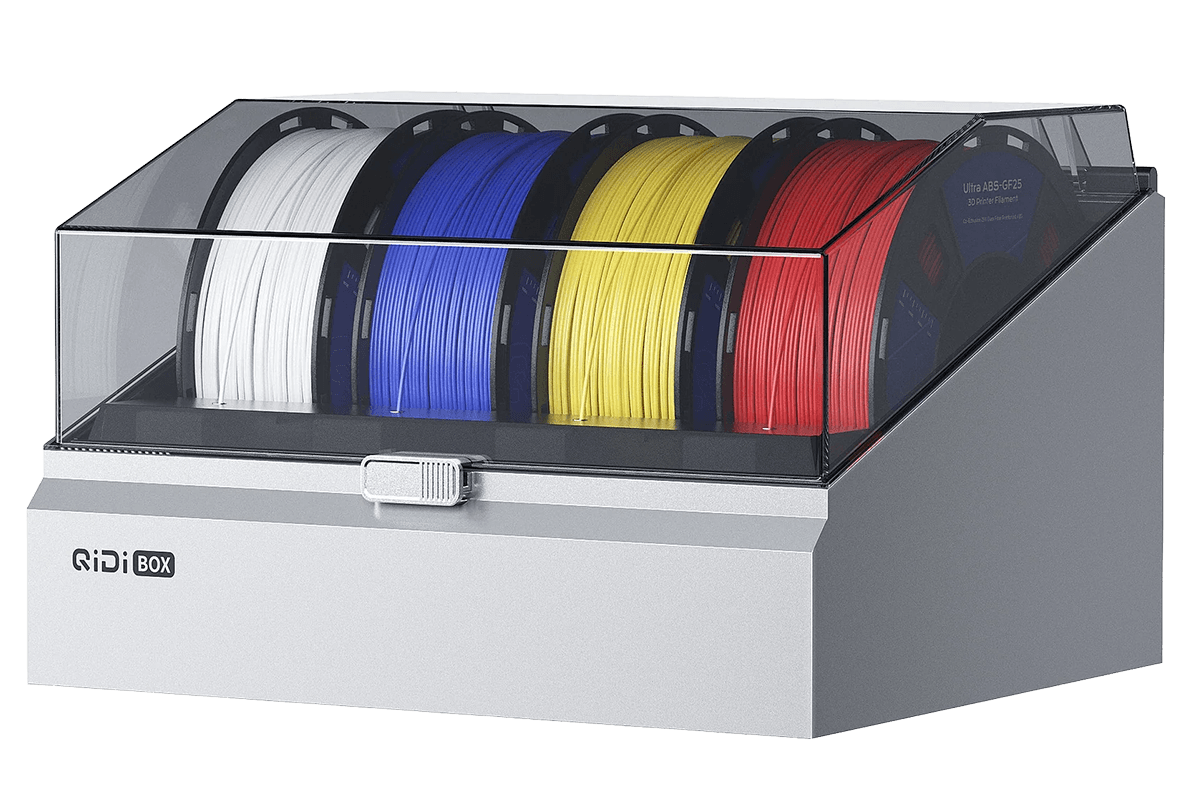
Qidi Box als Add-on für den Vierfarbdruck am Qidi Q2 im Test
Add-on for four-color printing and active filament drying on the Qidi Q2 and Qidi 4 Plus printers tested, with the focus on installation, functionality, and print quality. Linking multiple boxes together allows up to 16 colors, and NFC filament recognition automatically cuts down on user error, though the conversion takes about an hour of work. Startup time of around eight minutes runs long, the ejector occasionally jams, and active drying does not work while a print is in progress.
 3D printing
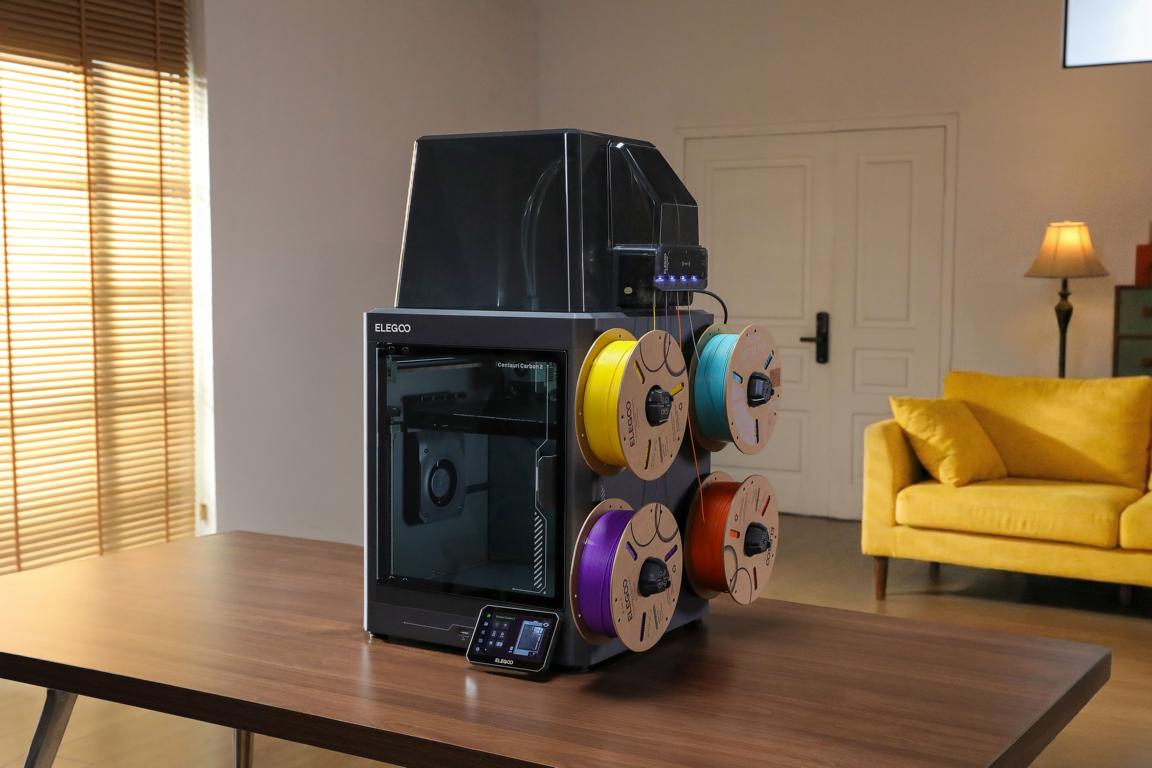
Elegoo Centauri Carbon 2 Combo 3D-Drucker im Test
Test of an enclosed CoreXY 3D printer with multicolor capability. The review focuses on print quality with PLA, PETG, ABS and ASA, the CANVAS RFID system for color switching, noise levels and automatic mesh leveling. Results turn out consistent and repeatable, though cable routing and the automatic nozzle-cleaning routine leave some rough edges.
 3D printing
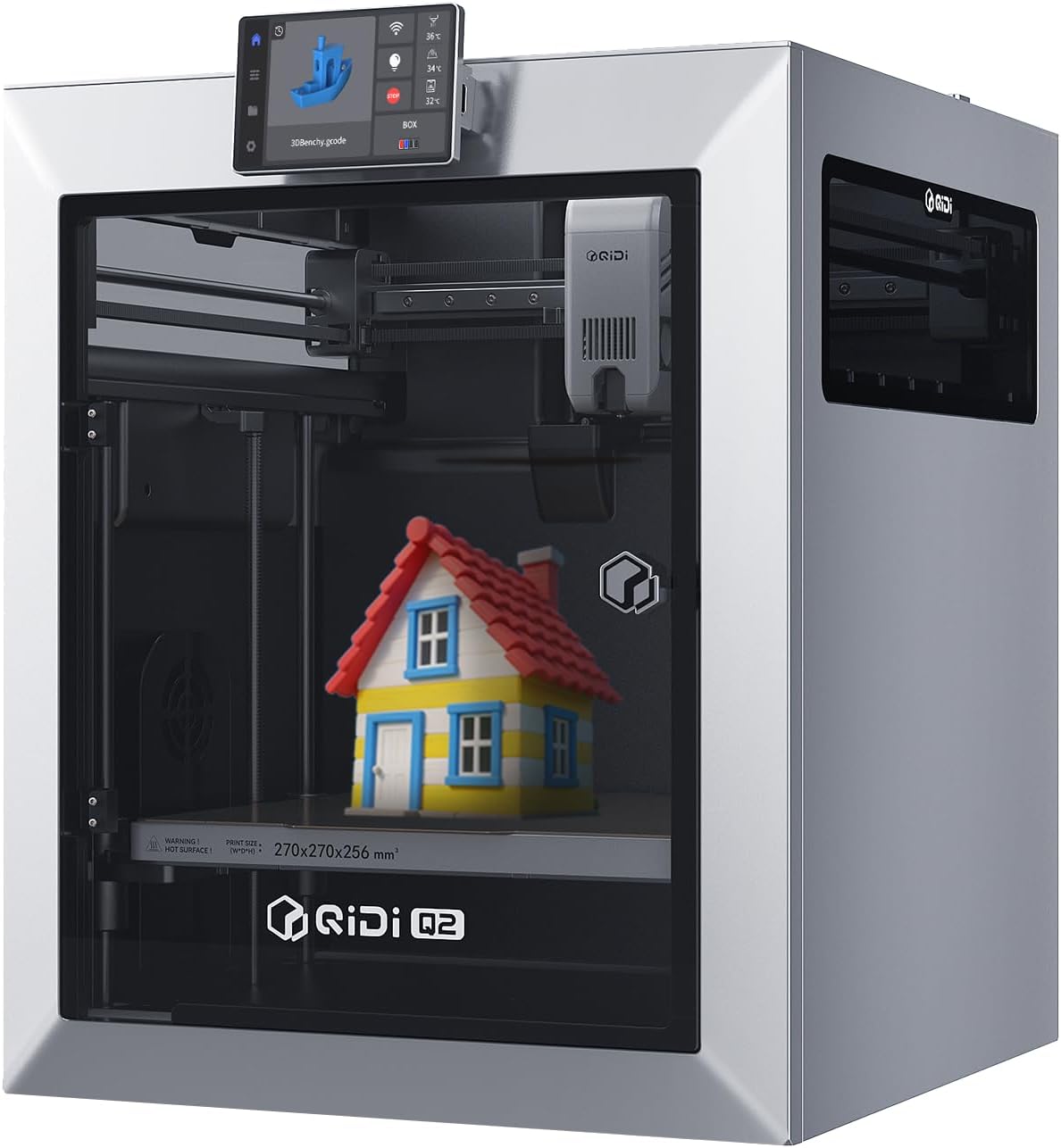
QIDI Q2 im Test
Test of a compact, enclosed FDM 3D printer. The review covers print quality with PLA, PETG, ABS and ASA, process stability over longer prints, and the controls and software. The printer favors reliability over speed and delivers consistent results, though the side filament holder feels wobbly and the display reacts sluggishly.
 Gadgets
Withings Body Scan – Mehr als eine Körperfettwaage?
Test of a premium body composition scale with health features. Beyond weight and body composition, the device records a 6-channel ECG, pulse wave velocity and a nerve health score, with each measurement taking about 35 seconds. Its feature set edges close to clinical equipment, but it comes at a high price, ties users to a Withings account and requires a subscription for some functions.
 Gadgets
SpeedComfort mit Control-Sensor im Test
Test of a smart radiator fan with automatic temperature control. Measurements covered power draw (around 0.55 watts in operation), the on and off temperature thresholds and heating behavior in a 20 square meter room. Active air circulation noticeably speeds up warming, but in flats billed through heat cost allocators the airflow can distort the meters and affect the billing.
 Gadgets
Makera Carvera Air CNC Maschine im Praxistest
Hands-on test of a desktop CNC machine with an add-on laser module and a fourth rotary axis. The review covers milling in wood, plastic, metal and PCBs, laser engraving, and machining rotating workpieces. Circuit traces and cut edges come out clean, while the English-only manual, the uncertified laser safety glasses included, and chips escaping the dust extraction stand out as weak points.
 Gadgets
Botslab Dashcam G980H mit Rückkamera und Hardwirekit im Test
Test of a dashcam system with front and rear cameras plus an optional hardwire kit. The review covers image quality from both cameras, parking mode with voltage monitoring, power draw and installing the constant-power hardwire connection. The front camera delivers sharp 4K footage with mostly readable license plates, while the rear camera offers noticeably less detail and the app responds sluggishly.
 3D printing
Anycubic Kobra S1 Combo im Test
Test of an FDM 3D printer with the ACE Pro automatic multicolor filament system. The review covers assembly, print quality with default and adjusted settings, and the reliability of multicolor printing. Default settings produce rough edges, nine out of ten multicolor test prints failed, and the ACE Pro system tends to jam, making this a printer for experienced tinkerers rather than beginners.
 Gadgets
Creality 3D Scanner CR-Scan Otter im Test
Test of a portable 3D scanner using structured infrared light. The review covers scan quality on small objects like a 7 cm figurine and larger ones like a human head, plus software handling and export to common 3D formats. Fine details come through true to the original, but the scanner struggles with dark or transparent surfaces such as black hair, and a turntable and tripod are missing from the package.
 Gadgets
Hikmicro Mini E Wärmebildkamera im Test
Test of a thermal imaging attachment that plugs into a smartphone via USB-C. The review covers image quality and temperature accuracy from the 96x96 pixel sensor and practical household uses such as spotting thermal bridges and drafty door frames. Despite the low resolution the camera delivers usable results, though the offset between thermal and real image and the lack of distance detection limit its accuracy.
 3D printing
Elegoo Centauri Carbon – CoreXY 3D-Drucker im Test
Test of an enclosed CoreXY 3D printer. The review focuses on print quality across different materials and heat distribution, plus print speeds up to 500 mm/s and bed leveling. For around 330 euros the printer delivers plenty of speed and stable results, but a tinny sound during movement and a wobbly filament holder point to cost-cutting in materials.
 Laser engraving
Sculpfun G9 im Test
Test of a portable laser engraver with a dual-laser setup (2W infrared, 10W diode). Engraving results on wood, aluminum, stainless steel and other materials in focus, alongside the SGD Laser software and LightBurn compatibility. Output comes out fast and precise, though the software still has rough edges and the fan runs noticeably loud.
 Gadgets
Creality Raptor Pro vorgestellt
Overview of the Creality Raptor Pro 3D scanner, which combines a laser and NIR mode, up to 60 frames per second and a claimed accuracy of 0.02 mm. Creality promises clean scans even on tricky surfaces like black or metallic materials without spray coating. Whether those manufacturer claims hold up in practice is left open in this piece.
 3D printing
Elegoo Mercury Plus V3.0 im Check
Test of a wash and cure station for resin prints, offering both basket cleaning and direct build-plate immersion plus a timer up to 30 minutes. Cleaning with isopropyl alcohol and curing of various models in focus. Handling is straightforward and results are solid, though the unit needs a full 5-liter IPA container and the lid has to be set down separately since there is no storage for it.
 3D printing
Elegoo Saturn 4 Ultra 16k 3D-Drucker im Test
Test of a resin 3D printer with 16K resolution and a 10-inch monochrome LCD, plus a heated resin tank and built-in camera. Print quality, model adhesion and software support in focus. Prints turn out very clean and detailed, but the build plate's coating scratches easily and cleaning it is a hassle. Software support so far is limited to Chitubox and SateLite.
 Gadgets
UnifyDrive UT2 portable NAS im Test
Test of a portable NAS with two M.2 SSD slots (2x 512GB in this unit), WiFi 6 and its own Linux-based UDOS system. Storage management, RAID setup, automatic phone photo backup and AI-based photo sorting by face in focus. The AI photo feature works surprisingly reliably, and the device can also act as its own WiFi hotspot. It still needs an external power source for regular use, and at around 575 euros plus import tax it is simply too expensive right now.
 3D printing
Artillery Sidewinder X4 Plus im Test
Test of a large-format FDM printer with a 300 x 300 x 400 mm build volume and direct-drive extruder. Setup, print quality with PLA, PETG and silk PLA, and overall stability in focus. Out of the box the results are underwhelming, but after some tuning the print quality becomes solid. With a full filament spool the center of gravity sits too high, causing vibration during fast moves, and PETG warps without adjusted print settings.
 3D printing
QIDI Plus 4 – 3D-Drucker im Test
Test of an enclosed FDM printer with a heated chamber, dual extruder and automatic bed leveling. Material testing with PLA, PETG, ABS, ASA and TPU, plus print quality and adhesion in focus. The Klipper-based system produces clean prints even with demanding materials, though at 32 kg and with its footprint it is not a machine for a small workshop. Criticisms include high power draw, clunky German software translations and a puzzling heating cycle before printing starts.
 Laser engraving
Creality Falcon 2 Pro Lasergravierer im Test
Test of a laser engraver and cutter with switchable power levels (22W, 40W+1.6W or 60W+1.6W) and a 400 x 415 mm work area. Cutting through 15 mm acrylic and 20 mm wood, plus engraving stainless steel, aluminum, slate and glass, are in focus. Cuts come out clean and fast, and the fully enclosed machine ships with an exhaust system. Focus has to be set manually, only the 22W version is legally cleared for unsupervised use in Germany, and there is no WiFi.
 3D printing
Anycubic Kobra 3 Combo – Color FDM Drucker im Test
Test of the Anycubic Kobra 3, a multicolor FDM printer paired with the ACE Pro filament changer, with a 250 x 250 x 260 mm build volume and speeds up to 600 mm/s. Setup, filament feeding, error handling and print quality in focus. Color changes generate a notable amount of filament waste, though a hidden setting cuts that by 90 percent. During testing, false filament-break errors and warping piled up, and one print ended with melted filament in the hotend with no error shown, so only a single flawless print came out of the whole test run. The verdict: not recommended in its current state.
 3D printing
Elegoo Mars 5 Ultra – DLP 3D-Drucker im Test
Test of a DLP resin printer with 9K resolution and tilt-release technology, plus automatic bed leveling and an AI camera for monitoring. Print quality on test models like a tower and a David figure in focus. Instead of the usual up-and-down motion, the resin tank tilts forward, which shortens print time and reduces release forces. Automatic leveling removes the usual setup hurdle for beginners, but cleaning the build plate is fiddly with its eight connecting bolts, and the camera delivers only weak images in low light.